Brake Line Leakage Symptoms: Early Signs That Should Not Be Ignored
Brake line leakage is one of the most important warning conditions in a hydraulic braking system. In many cases, the first signs are subtle: a slightly softer pedal, longer stopping distance, a wet fitting, or fluid traces around a hose end. Once leakage starts, braking performance can drop quickly. For this reason, workshops and buyers should treat even a small seepage issue as a technical fault that needs immediate inspection.
Common Symptoms of Brake Line Leakage
Soft or sinking brake pedal
One of the clearest signs is a pedal that feels softer than normal or slowly sinks under pressure. This may indicate fluid loss in the line, damaged seals, or a hose assembly that can no longer hold pressure consistently.
Visible wet spots around fittings
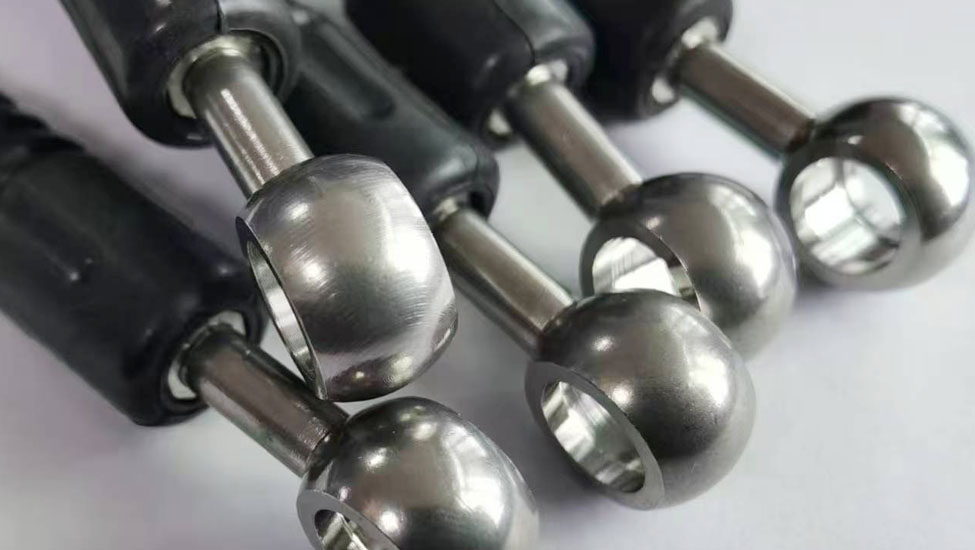
Brake fluid often appears around banjo bolts, crimp joints, hose ends, or steel line connections. Even a small wet area should be checked carefully because leakage usually worsens under pressure and heat.
Longer braking distance
If the system cannot build or hold pressure properly, braking distance may increase. This symptom is especially important in city traffic, heavy-load driving, and high-temperature regions where repeated braking is common.
Fluid level dropping in the reservoir
A gradually falling brake fluid level is often a sign of a leak somewhere in the system. It may not be obvious at first, so routine inspection is essential.
Why Brake Line Leakage Happens
Leakage may come from aging rubber surfaces, corrosion on steel sections, vibration fatigue, poor installation, over-tightened fittings, or chemical damage from contaminated fluid. In hot and humid markets, deterioration can happen faster because heat and moisture put extra stress on the hose structure and connection points.
Product Options Commonly Compared by Buyers
For different market needs, buyers often compare several line types and colors before placing an order. These are the most common product pages related to this topic:
- Blue Hydraulic Brake Line for performance-style projects and easy product identification.
- Red Hydraulic Brake Line for aftermarket builds that need a strong visual identity.
- Black Hydraulic Brake Line for OEM-style appearance and broad application.
- Silver Hydraulic Brake Line for a technical finish and flexible use across vehicle types.
How to Diagnose Leakage More Precisely
Inspect all joints under pressure
Some leaks only appear when the system is pressurized. A quick visual check in the workshop may not be enough, so the line should be inspected during actual brake application.
Check the hose body and bending points
Look for cracking, swelling, rubbing marks, or fluid residue near tight bends. These areas usually show the earliest damage.
Compare one wheel to the others
If only one corner of the vehicle shows abnormal pedal feel, fluid loss, or uneven braking, the fault may be isolated to that circuit rather than the entire system.
Selection Advice for Buyers
Do not choose by color alone
Color is useful for appearance and product differentiation, but the important points are pressure rating, fitting type, hose construction, and fitment accuracy.
Confirm application data before ordering
Vehicle model, connection angle, hose length, and installation space should all be checked before purchase. This helps reduce returns and installation problems.
Choose the right product for the operating environment
Vehicles used in hot climates, humid coastal areas, or dusty roads need stronger resistance to aging and leakage.
Daily Maintenance Suggestions
Inspect brake lines regularly, keep brake fluid clean, avoid hose contact with sharp edges, and replace any line that shows cracking, wet spots, rust, or swelling. A leaking brake line should never be left in service.
Main Products
Our main product range includes Blue Hydraulic Brake Line, Green Hydraulic Brake Line, Pink Hydraulic Brake Line, Red Hydraulic Brake Line, Silver Hydraulic Brake Line, Black Hydraulic Brake Line, and Motorcycle Brake Lines.
FAQ
How often should brake hoses be replaced?
Replacement depends on usage, climate, vehicle type, and inspection results. If leakage, cracking, swelling, or soft spots appear, replacement should be arranged immediately.
Do upgraded brake hoses really improve safety?
Yes, when the hose is correctly matched and installed. A stable hose can improve pressure transfer, pedal feel, and braking consistency.
Are these suitable for all vehicles?
No. Every model has different length, fitting, routing, and pressure requirements, so compatibility must be checked before ordering.
Need Drawing or Sample Matching?
If you have drawings, samples, or a special color requirement, send them to us for technical matching and OEM support.
Contact Us for quotations, samples, and custom brake line solutions.