
Corrosion Warning Signs- How to Spot Brake Line Decay in Humid Coastal Regions
Corrosion Warning Signs: How to Spot Brake Line Decay in Humid and Coastal Regions
For drivers and workshops in Southeast Asia, Coastal Africa, and the Middle East, brake line corrosion is a primary concern. Moisture-laden air, road salt, and high temperatures create a perfect storm for metal components to degrade. This isn't just about looks; it's a critical safety issue. As a manufacturer specializing in corrosion-resistant brake solutions, we'll outline the structured warning signs and explain why material choice is your first line of defense.
The Three Stages of Brake Line Corrosion
Corrosion is a progressive failure. Recognizing its stage helps you gauge urgency and choose the correct repair strategy.
Stage 1: Surface Oxidation and Discoloration
This is the earliest, most subtle sign. It often starts on the metal fittings (banjo bolts, union nuts) and the exposed ends of the brake line itself.
- Visual Cue: A dull, flat appearance instead of a shiny metallic finish. You may see light, powdery white or reddish-brown deposits (rust).
- Where to Look: Inspect the fittings where the flexible rubber brake line assembly connects to the solid metal line on the chassis. Also check around the bleeder valve on the caliper.
- Risk Level: Low-Immediate. The structural integrity is largely intact, but the protective coating (zinc, cadmium) has been compromised. This is the ideal time for preventative action.
Stage 2: Pitting and Flaking
Moisture and salts have penetrated deeper. The corrosion is no longer just surface-level.
- Visual Cue: Small, localized pits or craters in the metal. The corrosion product may flake off when touched, revealing fresh, unprotected metal underneath. On a stainless steel braided hose, you might see broken strands or a "fuzzy" appearance where the braid is corroding.
- Where to Look: Pay close attention to the crimped area where the fitting meets the hose, a common moisture trap. Also inspect any areas where road debris may have chipped the paint or coating on steel brake lines.
- Risk Level: High. The metal is losing cross-sectional area, weakening it. A pitted line or fitting is prone to developing a pinhole leak under pressure.
Stage 3: Structural Compromise and Leaks
This is critical failure. Corrosion has eaten through the wall of the brake line or severely weakened a fitting.
- Visual Cue: Visible wetness or seepage of brake fluid, often with heavy, crusty rust deposits around the leak point. The line or fitting may feel soft or crumbly. In severe cases, you may see a visible hole or a swollen section where fluid is weeping through the corrosion.
- Action: Immediate. The vehicle is not safe to drive. The entire compromised section, and often the connected component (hose, fitting), must be replaced.
Why Standard Components Fail and How to Choose Better
Understanding why corrosion happens informs a smarter upgrade choice. Standard rubber hoses with plated steel fittings are highly vulnerable. The plating wears off, and the underlying mild steel rusts rapidly.
The Engineered Solution: Material Specification for Corrosion Resistance
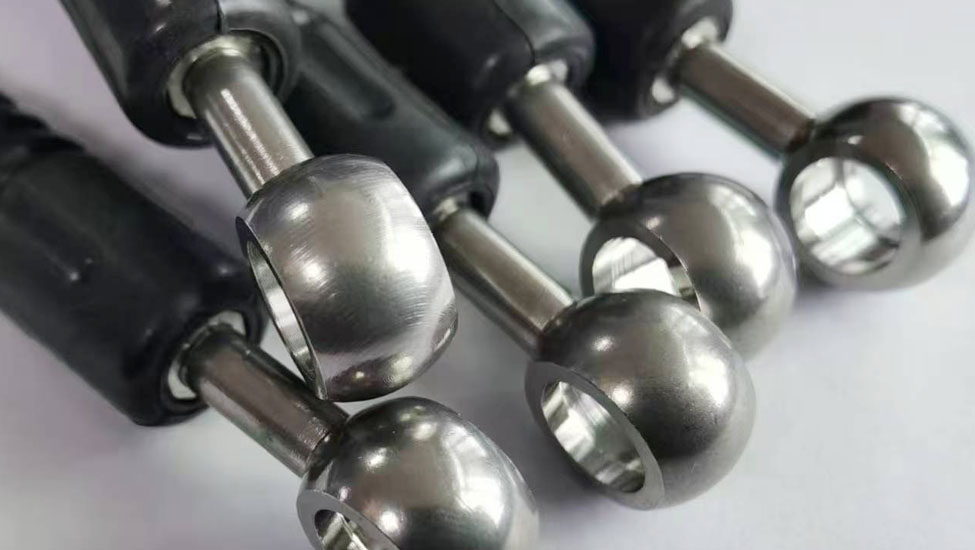
- Fitting Material is Key: Insist on 304 or 316-grade stainless steel fittings. These contain chromium, which forms a passive, self-healing oxide layer that prevents rust. This is standard on our Teflon and Nylon performance lines.
- Hose Exterior Armor: For the stainless steel braid itself, a protective PVC or nylon sheath is highly recommended in corrosive environments. This sheath keeps salt and moisture from directly contacting the braid.
- Internal Protection: Corrosion can also happen from the inside due to contaminated, acidic brake fluid. PTFE (Teflon) lines are inert and provide a perfect barrier, protecting the fluid from moisture ingress and vice-versa.
Our Product Recommendations for Corrosive Environments
- For Coastal/Humid Regions (SE Asia, Africa, Japan): Our PTFE Brake Line Assembly kits with 316 stainless fittings and a protective external sheath are the gold standard.
- For General Upgrade with Corrosion Resistance: Our Nylon Brake Line Assembly kits also feature stainless fittings and offer excellent durability at a competitive price.
- The Wrong Choice for These Areas: Standard rubber lines with plated fittings will have a drastically shortened lifespan.
Maintenance is Your Best Defense
Regular Washes: In salty or muddy conditions, rinse the underside of the vehicle and wheel wells to remove corrosive deposits.
Annual Inspection: As part of your service, clean the brake line fittings and inspect for early signs of discoloration or pitting.
Fluid Service: Flush brake fluid every two years without fail. Contaminated fluid accelerates internal corrosion of all metal parts in the braking system.
Spotted Early Corrosion? Act Now.
If you see Stage 1 or 2 corrosion, don't wait for it to become a leak. Proactively replacing vulnerable rubber hoses and plated fittings with a corrosion-resistant performance line is a smart investment in safety. We supply kits engineered for harsh environments. Contact us for recommendations tailored to your local conditions.
2025-12-26
