
Heat, Hose Collapse, Your Safety- A Guide for Hot Climate Drivers
Heat, Hose Collapse, and Your Safety: A Guide for Hot Climate Drivers
Why Southeast Asian and African Drivers Face Higher Risks
Persistent ambient heat is the enemy of traditional brake components. Under the hood of a car in Thailand or Saudi Arabia, temperatures can regularly exceed 100°C. This continuous thermal cycling accelerates the breakdown of the elastomers in standard rubber brake hoses, making them soft and prone to the internal collapse described in our previous article. For fleet operators and performance enthusiasts in these regions, understanding this risk is the first step towards a safer upgrade.
The Purchasing Checklist: What to Look For in a Collapse-Proof Hose
- Inner Liner Material: This is the most critical factor. Always choose a hose with a non-rubber, non-swelling inner liner. Teflon (PTFE) is the gold standard for zero expansion and chemical resistance.
- Outer Braid Construction: A high-quality Stainlesssteelbraided Hose isn't just for looks. The tight stainless steel weave provides crucial external support, preventing the hose from ballooning under high pressure (which mimics collapse symptoms) and protecting against abrasion from road debris.
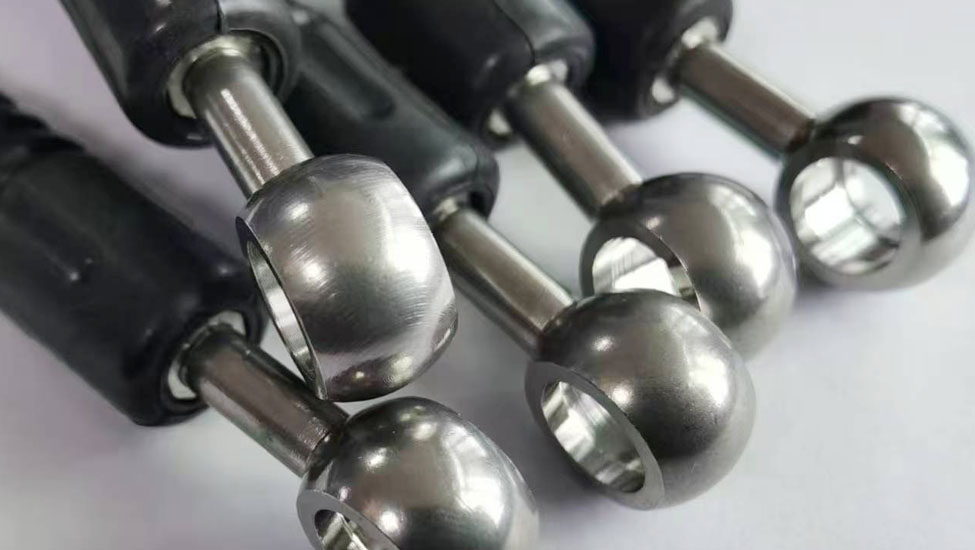
- End Fitting Quality: Look for machined, not cast, fittings. A poor-quality fitting can create a weak point and lead to leaks, regardless of the hose quality.
- Certifications: For peace of mind, ensure the hose assembly meets recognized standards like ISO or relevant automotive OEM specifications.
Maintenance Tips for Longevity in Harsh Conditions
Even the best hose needs proper care. Here’s what our engineers recommend for markets with dust and heat:
- Annual Visual Inspection: When changing wheels, look at the hose along its entire length. Check for:
- Frayed Braids: On a Braided Brake Line, broken stainless steel strands indicate abrasion damage.
- Oil or Grease Contamination: These can degrade the outer jacket of even high-quality Nylon Brake Lines over time.
- Check for Proper Routing: Ensure the hose is not twisted, kinked, or touching hot exhaust components. Even PTFE has a temperature limit.
- Fluid is Key: Use only the recommended, high-temperature DOT 4 or DOT 5.1 brake fluid. Change it every 2 years, as moisture-contaminated fluid boils more easily, creating gas bubbles that can mimic collapse symptoms.
Understanding Global Customer Concerns
Through our work with clients in Japan, Korea, and the GCC, we've identified key concerns: Japanese tuners prioritize exact fitment and OEM-level finish. Korean garages value comprehensive kit contents (all necessary washers and bolts). Middle Eastern off-roaders demand extreme abrasion and heat resistance. Our range, from direct-fit Nylon Brake Line Assemblies to custom PTFE Brake Line Assemblies, is designed to meet these specific needs.
FAQ: Suitability and Customization
- Q: Are改装 hoses suitable for all vehicle models? A: We offer both universal kits and vehicle-specific applications. For daily drivers, a direct-fit kit is recommended. For classic cars or custom builds, we provide a full custom service based on your图纸.
- Q: Can I install these myself? A: If you're comfortable with brake work and proper bleeding procedures, yes. However, incorrect installation (e.g., twisting the hose) can cause premature failure. If in doubt, consult a professional.
2025-12-26
