How to Replace Motorcycle Brake Hoses: A Step-by-Step Guide
Motorcycle brake hoses are essential components of hydraulic braking systems. They transfer brake fluid pressure from the master cylinder to the brake caliper, helping the motorcycle slow down and stop safely. Over time, brake hoses can deteriorate due to heat, vibration, moisture, abrasion, aging, and repeated pressure cycles.
Understanding how to replace motorcycle brake hoses is important for motorcycle repair shops, motorcycle parts distributors, aftermarket brands, and professional maintenance technicians. Replacing worn or damaged brake hoses with correctly specified components can help restore braking system integrity. For modified motorcycles, stainless steel braided brake lines and PTFE brake line assemblies may also be suitable options when they meet the vehicle's technical requirements.
This guide explains motorcycle brake hose replacement procedures, common installation mistakes, brake hose material selection, and important considerations for wholesale buyers and aftermarket parts suppliers.
1. When Should Motorcycle Brake Hoses Be Replaced?
Motorcycle brake hoses should be inspected regularly and replaced according to the motorcycle manufacturer's maintenance schedule or whenever damage, deterioration, or leakage is identified. There is no single replacement interval that applies to every motorcycle or brake hose material.
Common Signs of a Worn Motorcycle Brake Hose
Cracks, Bulges, or Surface Damage
Inspect the hose for cracks, swelling, cuts, exposed reinforcement, kinks, and signs of abrasion. Visible structural damage may indicate that the hose requires immediate replacement.
Brake Fluid Leakage
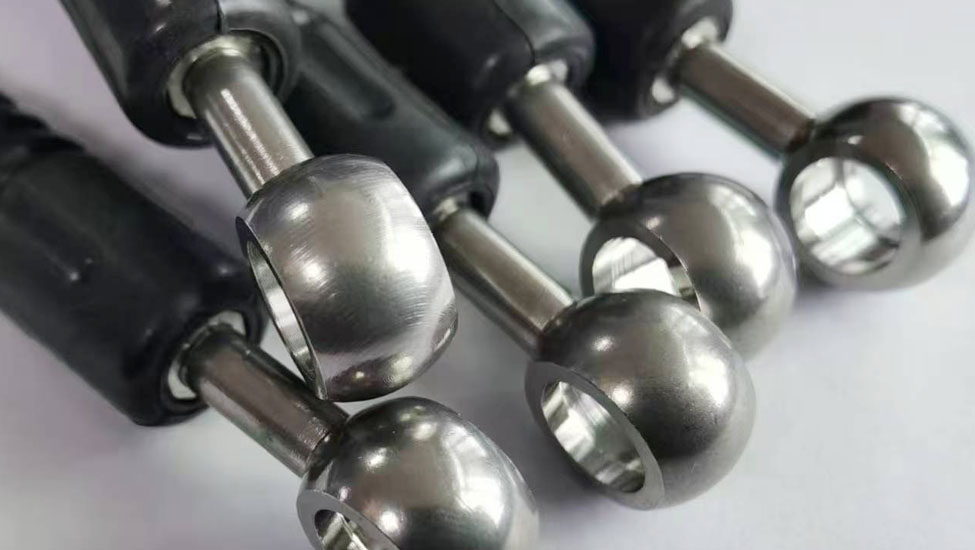
Brake fluid around the hose, fittings, banjo bolts, or connection points may indicate a leak. A leaking hydraulic brake system must not be used until the fault has been identified and correctly repaired.
Soft or Spongy Brake Feel
A soft brake lever or pedal can indicate air in the hydraulic system, fluid problems, hose expansion, or another brake system fault. Replacing the hose alone will not necessarily solve the problem. The entire braking system should be inspected before further use.
Corrosion Around Brake Hose Fittings
Corrosion on fittings and connection hardware can affect sealing and serviceability. Check for damaged threads, corrosion, loose connections, and signs of fluid leakage. Replace damaged hardware according to the vehicle manufacturer's specifications.
2. Tools and Materials Required for Motorcycle Brake Hose Replacement
Before starting the replacement procedure, prepare the correct components and service equipment. The exact tools depend on the motorcycle model and brake system design.
- The correct replacement motorcycle brake hose or brake line assembly
- Manufacturer-specified spanners and sockets
- Brake fluid specified for the motorcycle
- An approved brake bleeding kit
- A suitable fluid collection container
- Protective gloves and eye protection
- Approved cleaning materials for brake system service
- New sealing washers and approved fittings, where required
- The vehicle service manual and specified torque values
Brake fluid can damage paint and certain finishes. Protect surrounding surfaces and follow the fluid manufacturer's handling instructions. Never substitute incompatible brake fluid, fittings, or sealing components.
3. How to Replace Motorcycle Brake Hoses Step by Step
Step 1: Confirm the Correct Replacement Brake Hose
Before removing the original hose, confirm that the replacement is suitable for the exact motorcycle model, year, braking system, and intended installation. Check the required hose length, routing, fitting type, fitting angle, thread specification, pressure rating, fluid compatibility, and applicable regulatory requirements.
For custom motorcycles, the replacement hose must accommodate the full range of steering and suspension movement without pulling, twisting, stretching, or contacting hot or moving components.
Step 2: Secure the Motorcycle and Prepare the Work Area
Park the motorcycle on a stable surface and secure it using the appropriate stand. Allow hot components to cool, protect painted surfaces, and identify the correct brake fluid reservoir and bleeding points.
Consult the service manual for model-specific procedures. Some motorcycles use ABS or integrated braking systems that require special bleeding procedures or diagnostic equipment.
Step 3: Remove the Old Motorcycle Brake Hose
Clean the areas around the hose connections before opening the hydraulic system. Carefully disconnect the hose using the appropriate tools and collect escaping brake fluid in a suitable container.
Do not allow dirt or other contaminants to enter the master cylinder, brake lines, or calipers. Avoid spilling brake fluid onto tires, brake pads, discs, or painted surfaces. Remove the old hose without damaging adjacent components.
Step 4: Install the New Motorcycle Brake Hose
Position the new brake hose according to the manufacturer's routing instructions. Install the specified connectors, sealing washers, and hardware. Tighten connections to the exact torque values given in the service manual.
Ensure that the hose is not twisted, sharply bent, stretched, pinched, or routed close to exhaust components. Turn the handlebars through their full range and check the specified suspension travel to confirm that the hose remains clear of moving parts and does not become tensioned.
Step 5: Refill and Bleed the Brake System
Use only the brake fluid specified by the motorcycle manufacturer. Follow the approved bleeding procedure to remove air from the hydraulic system. Certain ABS-equipped motorcycles require a prescribed bleeding sequence or specialized equipment.
Maintain the correct reservoir fluid level throughout the process. Air remaining in the system can compromise braking performance. Do not operate the motorcycle if the brake lever or pedal does not develop the expected firm feel.
Step 6: Inspect All Connections for Leaks
After bleeding, inspect all hose connections, banjo bolts, fittings, and accessible hydraulic components. Perform the prescribed static pressure check according to the service manual and verify that no brake fluid leaks are present.
Recheck hose routing, fitting alignment, and specified fastener torque. Make sure the brake hose cannot rub against sharp edges, the wheel, the tire, the fork, or other moving parts.
Step 7: Complete Safety Checks Before Returning the Motorcycle to Service
Confirm that the brake lever or pedal operates correctly and that the braking system passes all manufacturer-required checks. Verify that the wheel, caliper, and related components have been correctly reassembled.
Any required functional test must be carried out according to the service manual by a qualified technician. The motorcycle must not be ridden on public roads until the braking system has been confirmed to operate safely.
4. Choosing the Right Motorcycle Brake Hose Material
Choosing the right replacement material is just as important as correct installation. Different hose constructions offer different characteristics, and the best choice depends on the vehicle specification, operating environment, brake fluid, and intended application.
Rubber Brake Line Assembly
A Rubber Brake Line Assembly is commonly used in original-equipment and replacement applications. Properly engineered rubber brake hoses can provide flexibility and practical installation characteristics for the intended braking system.
When selecting a rubber brake hose assembly, confirm its pressure rating, fluid compatibility, dimensions, fittings, and applicable vehicle requirements rather than selecting a product based on appearance alone.
Teflon Brake Line and PTFE Brake Line Assembly
PTFE, also known as polytetrafluoroethylene, is used as an inner tube material in certain performance brake hose designs. A properly engineered PTFE brake line assembly can provide chemical resistance and dimensional stability within its specified operating temperature range.
For modified motorcycles and performance-oriented applications, PTFE hoses may be combined with stainless steel reinforcement and purpose-designed fittings. The complete assembly must be rated and tested for the intended hydraulic braking application.
Teflon Brake Line and PTFE Brake Line Assembly products should be evaluated according to their construction, working pressure, temperature limits, fitting compatibility, and applicable safety requirements.
Nylon Brake Line and Nylon Brake Line Assembly
Nylon tubing is used in various fluid transfer and automotive applications, but not every nylon tube is suitable for a hydraulic braking system. A nylon product should only be used as a brake line when the complete assembly is specifically engineered, approved, and rated for the intended brake application.
Buyers should verify the material grade, working pressure, temperature range, fluid compatibility, reinforcement design, and applicable certification before specifying a nylon-based product for any safety-critical system.
Nylon Brake Line and Nylon Brake Line Assembly products should be selected according to their verified application rather than their material name alone.
Stainless Steel Braided Hose and Braided Brake Lines
Stainless steel braided brake hoses use a metallic reinforcement layer to help control hose expansion under hydraulic pressure. Depending on their construction, these hoses may offer improved resistance to external abrasion and a different brake lever or pedal response compared with some conventional hose designs.
For motorcycle modification projects, buyers should evaluate the inner tube, braid construction, protective outer covering, fitting materials, corrosion resistance, pressure performance, and compliance with applicable standards.
Stainless steel braided construction alone does not guarantee better braking performance. Correct sizing, compatibility, manufacturing quality, installation, and maintenance remain essential.
5. Common Mistakes to Avoid When Replacing Motorcycle Brake Hoses
Choosing the Wrong Hose Length
A hose that is too short may become stretched during steering or suspension movement. A hose that is too long may kink, rub against other components, or interfere with the motorcycle's operation. Confirm the required length and routing before ordering a replacement.
Using Incompatible Fittings
Thread size, thread pitch, sealing design, fitting angle, and connection type must match the intended application. Similar-looking fittings are not necessarily interchangeable. Never force an incompatible connector into place.
Skipping the Bleeding Procedure
Air trapped inside a hydraulic brake system can reduce braking effectiveness. Follow the correct bleeding procedure for the motorcycle, including any additional steps required by its ABS system.
Ignoring Hose Routing and Clearance
Incorrect routing can lead to abrasion, kinking, excessive bending, or interference with moving components. Check clearance throughout the full specified range of steering and suspension movement.
Using Products Without Verified Brake System Compatibility
General-purpose hydraulic hoses and decorative braided tubes should never be assumed suitable for motorcycle brakes. Only use brake hose assemblies with verified suitability for the intended application and applicable safety requirements.
6. Benefits of Modified Motorcycle Brake Hoses for Aftermarket Applications
For motorcycle parts wholesalers, importers, aftermarket brands, and distributors, modified brake hoses can offer product differentiation when their specifications are matched to the target market and vehicle application.
Custom Lengths and Fitting Configurations
Different motorcycle models and modification projects may require different hose lengths, fitting angles, connector types, and routing arrangements. Custom manufacturing can help buyers develop application-specific product ranges.
Multiple Colors and Product Finishes
Color options and protective outer coverings can help aftermarket brands create a consistent product range. However, color and appearance should never replace checks for pressure performance, fluid compatibility, durability, and safety compliance.
Material and Construction Options
Depending on the application, manufacturers may offer Rubber Brake Line Assembly products, PTFE Brake Line Assembly products, Stainless Steel Braided Hose products, and other specifically engineered brake hose constructions.
Buyers should request clear specifications and relevant test documentation for each product type before placing an order.
OEM and Private Label Manufacturing
For distributors and motorcycle accessory brands, OEM manufacturing may support custom packaging, product identification, specified fitting configurations, and consistent batch production.
Before placing an order, confirm minimum order quantities, lead times, quality inspection procedures, customization options, and the documentation available for the intended market.
7. How to Select a Motorcycle Brake Hose Manufacturer
When sourcing motorcycle brake hoses for wholesale distribution or aftermarket projects, purchasing teams should evaluate more than unit price. A reliable supplier should be able to explain its product construction and provide relevant technical information.
- Product specifications: Confirm dimensions, materials, fitting types, pressure ratings, and operating temperature limits.
- Quality control: Ask about incoming material inspection, crimping controls, traceability, and finished-product testing.
- Application compatibility: Verify that the hose assembly is suitable for the specific motorcycle or brake system.
- Customization capability: Discuss available lengths, fittings, colors, branding, and packaging options.
- Compliance documentation: Request applicable test reports, certifications, and regulatory documentation for the destination market.
- Supply capacity: Review production lead times, order quantities, and the supplier's ability to maintain consistent specifications across repeat orders.
For importers and distributors serving Southeast Asia, the Middle East, Japan, South Korea, and Africa, the most suitable product range will depend on local regulations, motorcycle models, customer demand, and operating conditions.
8. Frequently Asked Questions About Motorcycle Brake Hose Replacement
How often should motorcycle brake hoses be replaced?
Follow the motorcycle manufacturer's inspection and replacement schedule. Replace a hose immediately if it shows leakage, cracking, bulging, structural damage, or other defects. Replacement intervals vary by model, hose specification, age, and operating conditions.
Can I replace a rubber motorcycle brake hose with a stainless steel braided brake line?
In some applications, a compatible stainless steel braided brake line can be used as a replacement or upgrade. The complete assembly must match the motorcycle's hydraulic requirements, fittings, routing, dimensions, and applicable approval requirements. Confirm compatibility before installation.
Are PTFE brake lines suitable for modified motorcycles?
PTFE brake lines may be suitable for modified motorcycles when the complete hose assembly is designed, tested, and specified for hydraulic braking service. Material choice alone does not establish suitability or regulatory compliance.
Can I install a longer brake hose for motorcycle modifications?
A different hose length may be necessary when handlebars, forks, or other components are modified. The new length must be determined by checking the approved routing and full steering and suspension movement. Excessive length can create interference, while insufficient length can cause dangerous tension.
What information should I provide when requesting a wholesale quotation?
Provide the intended motorcycle models or application, required hose length, fitting specifications, material construction, quantity, preferred colors, packaging requirements, and destination market. For safety-critical braking applications, also specify the required standards and supporting documentation.
Conclusion: Safe Replacement Starts with the Right Brake Hose
Replacing motorcycle brake hoses involves more than removing an old line and fitting a new one. Correct product selection, compatible fittings, proper routing, careful bleeding, leak inspection, and verification of braking performance are all essential.
For motorcycle parts distributors, importers, and aftermarket brands, choosing a qualified manufacturer can also help simplify OEM sourcing and product development. Whether the application calls for a Rubber Brake Line Assembly, a PTFE Brake Line Assembly, a Teflon Brake Line, a Nylon Brake Line Assembly specifically engineered for braking service, or a Stainless Steel Braided Hose, the priority should always be verified application compatibility, consistent quality, and safe performance.
Looking for a motorcycle brake hose manufacturing partner? Contact our team to discuss application requirements, custom specifications, fitting options, OEM production, and wholesale supply for your target market.