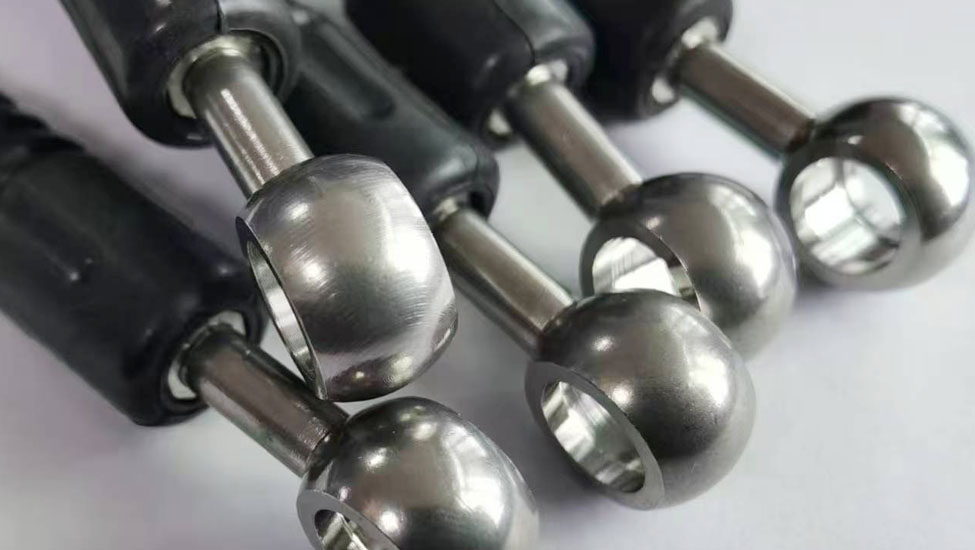
How to Replace a Motorcycle Brake Hose: A Practical Step-by-Step Guide
Motorcycle brake hoses work under pressure every time the brake lever or pedal is operated. Unlike rigid brake pipes, a flexible brake hose must also withstand vibration, steering movement, suspension travel, temperature changes and repeated pressure cycles.
For this reason, replacing a worn motorcycle brake hose is not simply a matter of removing the old hose and installing a new one. Hose length, fitting type, routing, sealing washers and final bleeding all need to be checked carefully.
This guide explains how to replace a motorcycle brake hose and what to check when upgrading from a conventional rubber hose to a performance-oriented braided brake line.
When Should a Motorcycle Brake Hose Be Replaced?
There is no single replacement interval that applies to every motorcycle. Hose condition, vehicle usage, climate, brake fluid, installation quality and storage conditions all affect service life.
Common warning signs
- Visible cracks or surface damage on the outer hose
- Bulging or swelling when the brake is applied
- Brake fluid leakage around the hose or fittings
- Corrosion around hose ends or metal fittings
- A brake lever that feels unusually soft or inconsistent
- Hose surface becoming hard, brittle or heavily discolored
- Previous hose damage caused by rubbing against the wheel, fork or frame
If any leakage or serious physical damage is found, the motorcycle should not be operated until the braking system has been inspected and repaired.
What Should Be Checked Before Replacing the Brake Hose?
1. Confirm the Original Hose Length
Measure the original hose before removing it. The replacement should be long enough to accommodate full steering movement and suspension travel without becoming stretched.
At the same time, excessive hose length should also be avoided. A loose hose can contact the wheel, tire, exhaust, fork or other moving components.
2. Check the Fitting Configuration
Motorcycle brake hoses are available with different fitting styles, thread specifications, banjo angles and connection configurations. A hose with the correct length but the wrong fitting specification is not a suitable replacement.
For custom motorcycle brake lines, provide the manufacturer with the motorcycle model, hose length, fitting type, fitting angle and connection dimensions whenever possible.
3. Choose the Correct Hose Construction
Standard rubber hose assemblies remain widely used because they are flexible and suitable for many original-equipment applications. For modified motorcycles, however, some riders and workshops choose braided constructions to obtain different mechanical characteristics and a more controlled brake lever feel.
For applications requiring a low-friction inner tube and high temperature resistance, a Teflon Brake Line can be considered.
For projects where lightweight construction and flexible routing are important, a Nylon Brake Line may also be suitable depending on the required pressure, temperature and fluid compatibility.
How to Replace a Motorcycle Brake Hose
Step 1: Prepare the Motorcycle
Park the motorcycle on a stable surface and make sure the motorcycle cannot move during service. Protect painted surfaces from brake fluid because brake fluid can damage certain finishes.
Prepare the replacement hose, correct sealing washers, suitable tools, brake fluid and bleeding equipment before beginning the work.
Step 2: Inspect the New Hose Before Installation
Compare the replacement hose with the original assembly before disconnecting the old hose.
Check the following points:
- Overall hose length
- Fitting type
- Banjo angle and orientation
- Thread specification
- Hose outer diameter
- Protective sleeve or coating
- Fitting crimp quality
The fittings should be firmly attached and the hose should not show cuts, kinks or deformation.
Step 3: Remove the Original Brake Hose
Remove the original hose carefully and control any brake fluid that escapes from the system. Keep dirt away from open brake system connections.
Do not reuse sealing washers if the application requires new washers. Follow the motorcycle manufacturer's service procedure for the specific braking system.
Step 4: Install the Replacement Brake Hose
Install the new hose without twisting it. Route the hose through the original guides where possible and make sure it has sufficient clearance from the tire, wheel, fork, exhaust and other moving components.
Turn the handlebars fully from left to right and check the hose position. If the motorcycle has significant suspension movement, inspect the routing through the complete suspension range as well.
Step 5: Tighten the Connections Correctly
Use the torque specifications recommended for the motorcycle or the applicable fitting manufacturer. Avoid guessing tightening torque, particularly on aluminum components.
Over-tightening can damage threads or fittings, while insufficient tightening can result in leakage.
Step 6: Bleed the Brake System
After installing the hose, air must be removed from the hydraulic system. Bleed the brake system according to the motorcycle manufacturer's recommended procedure.
Continue until the brake lever or pedal develops a consistent feel and no visible air remains in the bleeding process.
Do not skip the final inspection
After bleeding, inspect every connection for leakage. Apply the brake firmly and check the hose and fittings again. Then move the handlebars through their full range and verify that the hose does not pull, twist or interfere with other components.
Why Do Some Riders Upgrade to Braided Motorcycle Brake Lines?
One reason for upgrading is to change the mechanical behavior of the brake hose. Conventional rubber hoses are designed to flex, while a reinforced braided construction can provide greater resistance to hose expansion under pressure.
For performance-oriented motorcycle applications, a PTFE Brake Line Assembly with suitable reinforcement can be specified according to the application.
A correctly designed Stainlesssteelbraided Hose can also provide a combination of reinforcement, appearance and durability suitable for modified motorcycle projects.
The actual braking improvement depends on the complete braking system, including the master cylinder, caliper, pads, fluid, rotor and installation condition. A brake hose should therefore be considered as one part of the complete system rather than an isolated performance component.
Important Points When Buying a Motorcycle Brake Hose
For Workshops and Distributors
When purchasing motorcycle brake hoses in volume, buyers should pay attention to more than the selling price.
- Pressure and temperature requirements
- Inner tube material
- Reinforcement structure
- Fitting material
- Fitting angle and thread specification
- Crimping quality
- Hose length tolerance
- Brake fluid compatibility
- Packaging and labeling
- Production consistency between batches
For customers requiring a complete ready-to-install product, a Nylon Brake Line Assembly or other customized brake hose assembly can be specified according to the vehicle and application.
Custom Brake Hose Manufacturing
For modified motorcycles, one standard hose length does not always fit every application. Custom length, fitting angle, hose color, outer protection and connection configuration can be important when developing a new product or replacement kit.
If you have a drawing, sample hose or fitting specification, send the details to our engineering team for review.
Contact our brake hose manufacturer for custom motorcycle brake hose solutions.
Motorcycle Brake Hose Maintenance
Regular Inspection
Inspect the hose during routine motorcycle maintenance. Look for abrasion, cracks, deformation, leakage and corrosion around the fittings.
Check Hose Routing
After maintenance or modification, make sure the hose has not been moved into a position where it can rub against a sharp edge or moving component.
Keep Connections Clean
Dirt around brake connections can make inspection more difficult and may create problems during future service. Keep exposed connection areas clean and dry.
Frequently Asked Questions About Motorcycle Brake Hose Replacement
How often should a motorcycle brake hose be replaced?
Replacement should be based on the hose condition, manufacturer recommendations and actual operating environment. A hose showing cracking, swelling, leakage or significant damage should be replaced rather than waiting for a fixed calendar interval.
Does a braided brake hose improve motorcycle braking safety?
A properly manufactured and correctly installed braided brake hose can reduce hose expansion compared with some conventional rubber hose constructions. However, overall braking safety depends on the entire braking system and correct installation.
Can one motorcycle brake hose fit every motorcycle?
No. Brake hose length, fittings, thread specifications, routing and connection positions vary between motorcycles. Always confirm the exact specifications before ordering.
Is a PTFE brake line suitable for motorcycle applications?
PTFE is widely used in hydraulic applications where chemical resistance and temperature performance are important. The complete hose assembly must still be designed with suitable reinforcement, fittings and pressure capability for the application.
What information should I provide when ordering custom motorcycle brake lines?
Useful information includes motorcycle model, hose length, fitting type, fitting angle, thread specification, connection position, required color, quantity and application requirements. A drawing or sample can make specification confirmation easier.
Conclusion
Replacing a motorcycle brake hose requires attention to hose length, fitting specifications, routing, sealing and bleeding. For workshops, distributors and motorcycle manufacturers, selecting the correct hose construction is equally important.
Whether the requirement is a standard replacement hose or a customized braided brake line for a modified motorcycle, correct specification and consistent manufacturing are the foundation of a reliable brake hose assembly.