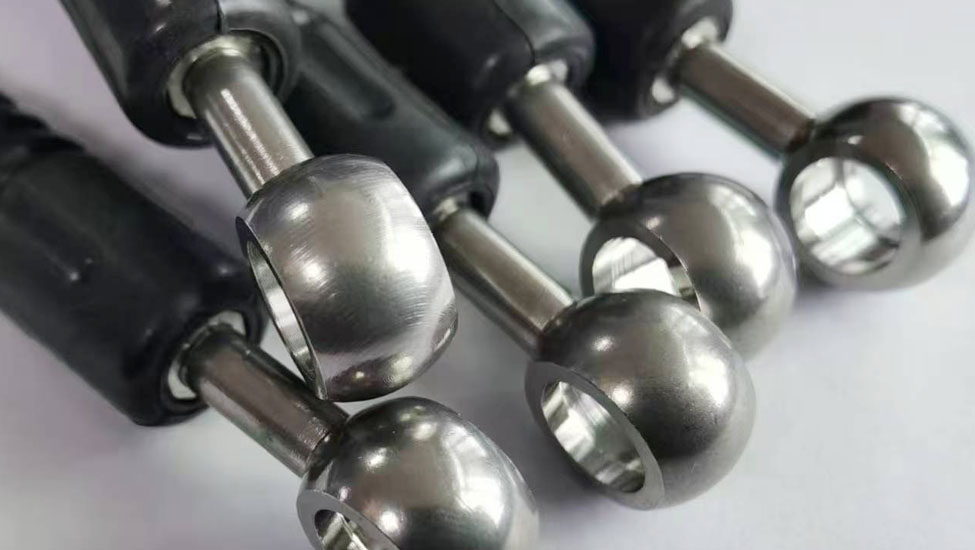
Motorcycle Brake Hose Inspection: Signs You Need to Replace Your Brake Line
Motorcycle brake hoses are critical components of a hydraulic braking system. They transfer hydraulic brake pressure from the master cylinder to the brake caliper, so their condition should be checked regularly.
Over time, motorcycle brake hoses can be affected by aging, heat, moisture, abrasion, incorrect routing, corrosion, and repeated mechanical movement. Some problems are easy to see, while others may only become noticeable when the brake hose is inspected closely.
This motorcycle brake hose inspection guide explains the most common warning signs, when a brake hose should be replaced, and what to consider when choosing a replacement or upgraded brake line for a motorcycle.
Why Is Motorcycle Brake Hose Inspection Important?
A brake hose operates under hydraulic pressure every time the brake is applied. It must remain structurally sound and correctly positioned throughout normal steering and suspension movement.
Government motorcycle inspection guidance identifies several flexible brake hose defects that require attention, including excessive damage, deterioration, chafing, twisting, stretching, leakage, bulging under pressure, porosity, and excessive corrosion of brake hose ferrules. :contentReference[oaicite:0]{index=0}
For this reason, brake hose inspection should be part of regular motorcycle maintenance, particularly on older motorcycles, modified motorcycles, and motorcycles used frequently in wet, humid, dusty, or coastal environments.
How Often Should You Inspect a Motorcycle Brake Hose?
There is no single inspection interval that is suitable for every motorcycle. Inspection frequency should depend on the motorcycle's age, mileage, operating environment, brake system configuration, and usage.
Inspect More Frequently When:
- The motorcycle is used every day
- The motorcycle is frequently ridden in rain
- The motorcycle is used in a coastal environment
- The motorcycle is exposed to high humidity
- The motorcycle is used on dusty or muddy roads
- The motorcycle has modified handlebars or suspension
- The brake hose has been rerouted
- The motorcycle has an aftermarket braking system
- The service history of the motorcycle is unknown
7 Signs That a Motorcycle Brake Hose Needs Replacement
1. Cracks on the Brake Hose
Small cracks, surface deterioration, or visible damage on the outer layer of a motorcycle brake hose should not be ignored.
Cracking can develop because of aging, environmental exposure, mechanical stress, or incorrect routing. If deterioration becomes severe enough to affect the hose structure or expose reinforcement, replacement should be considered.
A visual inspection should cover the complete hose rather than only the section that is easiest to see.
2. Brake Hose Bulging Under Pressure
A brake hose that visibly bulges when hydraulic pressure is applied is a significant warning sign.
Bulging indicates that the hose is deforming under pressure and should be investigated before the motorcycle is returned to normal use.
Motorcycle inspection guidance specifically identifies a flexible brake hose that bulges under pressure as a defect. :contentReference[oaicite:1]{index=1}
3. Brake Fluid Leakage
Brake fluid around a hose connection, fitting, banjo bolt, ferrule, or hose surface should always be investigated.
A leak can originate from the hose itself, the fitting, sealing washer, connection thread, or another brake component. Therefore, the complete connection should be inspected rather than assuming that the hose is automatically the only problem.
Do not continue normal riding when a hydraulic brake system has an unresolved fluid leak.
4. Excessive Chafing or Abrasion
Brake hoses should not continuously rub against the fork, frame, wheel, suspension components, or other motorcycle parts.
Continuous chafing can damage the outer surface and eventually expose the reinforcement.
This problem can occur after motorcycle modifications when the original hose routing no longer matches the new handlebar, fork, caliper, wheel, or suspension configuration.
5. Twisting or Stretching
A motorcycle brake hose needs enough flexibility and length to accommodate steering and suspension movement.
If the hose becomes stretched when the handlebars are turned, or if it twists around the fitting, the installation should be corrected.
Inspection guidance for flexible brake hoses also includes checking for excessive twisting and stretching. :contentReference[oaicite:2]{index=2}
6. Corrosion Around Fittings and Ferrules
Do not inspect only the flexible hose itself. The metal fittings, ferrules, banjo bolts, and other connection components should also be checked.
Excessive corrosion around a brake hose ferrule can indicate deterioration of the assembly. Motorcycle inspection guidance specifically lists excessively corroded brake hose ferrules as a defect. :contentReference[oaicite:3]{index=3}
For motorcycles operating in humid or coastal regions, regular inspection of fittings can be particularly important.
7. The Brake Hose Is Old or Its History Is Unknown
A motorcycle with an unknown maintenance history deserves a careful brake system inspection.
This is especially relevant when purchasing a used motorcycle, restoring an older motorcycle, or modifying an existing braking system.
If an old hose shows several signs of deterioration, replacing it with a correctly specified brake hose assembly can provide a known starting point for future maintenance.
How to Inspect a Motorcycle Brake Hose
Step 1: Inspect the Entire Hose
Start at the master cylinder and follow the hose toward the caliper. Check the complete length for cracks, abrasion, swelling, contamination, or other visible damage.
Step 2: Inspect Both Fittings
Check the fitting areas, ferrules, banjo connections, and sealing points for corrosion, leakage, or mechanical damage.
Step 3: Check Hose Routing
Make sure the hose does not contact sharp edges, moving parts, the tire, exhaust components, or other sources of excessive heat.
Step 4: Check Steering Movement
Turn the handlebars slowly from one side to the other and observe the brake hose.
The hose should not become stretched, sharply bent, trapped, or twisted during normal steering movement.
Step 5: Check Suspension Clearance
Where applicable, inspect the hose through the expected suspension movement range. Make sure there is sufficient clearance between the hose and moving motorcycle components.
When Should You Replace a Motorcycle Brake Hose?
A motorcycle brake hose should be investigated for replacement when it shows significant deterioration or when its condition can no longer be considered reliable.
Replacement Should Be Considered When:
- The hose has visible structural damage
- The hose is cracked or severely deteriorated
- The hose bulges under pressure
- Brake fluid is leaking
- The hose reinforcement is exposed
- The fittings or ferrules have serious corrosion
- The hose is severely chafed
- The hose is stretched or twisted
- The hose routing cannot provide adequate clearance
- The original hose specification is unknown
Should You Replace a Rubber Brake Hose With a Braided Brake Line?
Replacing an old hose does not necessarily mean that every motorcycle needs the same type of replacement hose. The correct choice depends on the motorcycle and the intended application.
A conventional may be suitable for many standard replacement applications when its specifications match the original system.
For modified motorcycles, aftermarket workshops and performance-oriented applications may consider a reinforced construction.
The important point is that the complete assembly must be compatible with the motorcycle. Hose material, reinforcement, fittings, length, thread specification, sealing method, pressure requirements, and routing all need to be considered.
What Is a Teflon Brake Line?
A generally uses PTFE as the inner hose material and can be combined with suitable reinforcement and fittings for hydraulic brake applications.
PTFE-based hose constructions are commonly considered for applications where chemical resistance, temperature capability, and a controlled hose construction are important.
What Should Buyers Check?
- PTFE inner tube specification
- Reinforcement construction
- Fitting compatibility
- Operating pressure
- Operating temperature
- Hose length
- Installation routing
PTFE Brake Line Assembly for Motorcycle Applications
A complete can be specified with the required hose length and fitting configuration.
For aftermarket motorcycle applications, a complete assembly can be easier to specify than purchasing hose and fittings separately because the final product can be configured around the intended installation.
Important Specifications
- Hose length
- Fitting type
- Thread size and pitch
- Banjo angle
- Banjo orientation
- Sealing components
- Required routing
Nylon Brake Line and Nylon Brake Line Assembly
A can be considered for applications where its material properties and technical specifications are suitable for the intended brake system.
For B2B customers, a complete can be customized around the required hose length and fitting configuration.
Why Is the Complete Specification Important?
The word "nylon" alone does not define whether a hose is suitable for a particular motorcycle. Buyers should confirm the actual hose construction, pressure requirements, temperature range, fittings, connection method, and application.
Why Are Stainless Steel Braided Hoses Used for Modified Motorcycles?
A uses stainless steel reinforcement around the inner hose construction.
The reinforcement is designed to provide mechanical support to the hose. The actual performance of the complete brake line depends on the inner hose material, braid construction, fittings, crimping or assembly process, routing, and installation.
Therefore, stainless steel reinforcement should not be viewed as a replacement for correct hose selection and installation.
How to Choose a Replacement Motorcycle Brake Line
1. Confirm the Motorcycle Model
Provide the motorcycle brand, model, year, and brake configuration whenever possible.
2. Measure the Required Length
The replacement line should have sufficient length for normal steering and suspension movement without excessive slack.
3. Confirm the Fittings
Check the master cylinder and caliper connection types, thread specifications, banjo bolt requirements, and fitting angles.
4. Confirm the Hose Construction
Choose the appropriate rubber, PTFE, nylon, or reinforced construction according to the actual application.
5. Check the Routing
Before finalizing the specification, confirm that the selected hose can be routed without sharp bends, twisting, stretching, chafing, or interference with moving components.
Common Motorcycle Brake Hose Replacement Mistakes
- Choosing a hose only by length
- Ignoring thread pitch
- Using the wrong fitting angle
- Forcing an incompatible fitting
- Reusing damaged sealing washers
- Twisting the hose during installation
- Allowing the hose to rub against the fork or frame
- Ignoring full steering movement
- Ignoring suspension movement
- Failing to inspect fittings and ferrules
- Failing to properly bleed the hydraulic system after replacement
Motorcycle Brake Hose Inspection Checklist
| Inspection Item | What to Check |
|---|---|
| Hose surface | Cracks, cuts, deterioration and visible damage |
| Hose shape | Bulging, deformation or abnormal expansion |
| Fittings | Corrosion, leakage and damage |
| Ferrules | Excessive corrosion or deterioration |
| Routing | Chafing, twisting, stretching and sharp bends |
| Clearance | Fork, wheel, frame, exhaust and moving components |
| Connections | Correct fitting and sealing condition |
| Brake fluid | Leaks or contamination |
What Should B2B Buyers Ask a Motorcycle Brake Hose Manufacturer?
For motorcycle parts importers, distributors, workshops, and aftermarket brands, a detailed specification can reduce compatibility problems when ordering replacement or customized brake lines.
Recommended Purchasing Information
- Motorcycle make and model
- Model year
- Front or rear application
- Hose length
- Hose material
- Reinforcement material
- Fitting material
- Thread size and pitch
- Banjo angle
- Banjo orientation
- ABS configuration where applicable
- Hose color
- Sample or technical drawing
- Packaging requirements
- Required quantity
Final Thoughts
Regular motorcycle brake hose inspection can help identify problems such as cracking, bulging, leakage, corrosion, chafing, twisting, and deterioration before they become more serious.
When replacement is necessary, the correct brake line should be selected according to the complete motorcycle application rather than hose appearance alone.
For standard applications, a correctly specified may be appropriate. For modified motorcycle applications, buyers can evaluate PTFE, nylon, or stainless steel braided constructions according to the required specifications.
For motorcycle workshops, distributors, importers, and aftermarket brands, a properly engineered assembly can be customized around hose length, fittings, routing, and the requirements of the motorcycle.