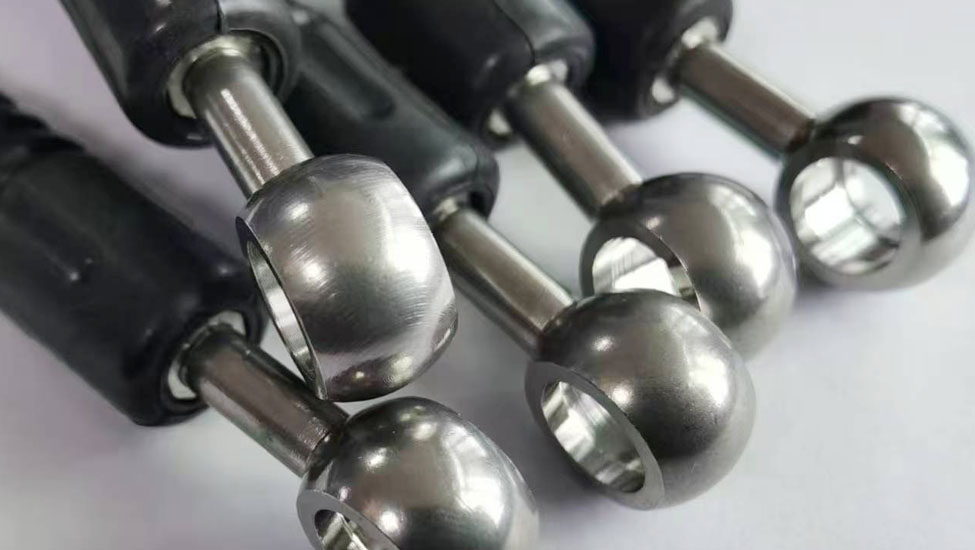
Prevent Brake Line Clogging: Key Tips for Performance & Safety
As a professional brake line manufacturer serving Southeast Asia, Middle East, Japan, Korea and Africa, we often receive feedback about clogged brake lines leading to weak pedal response, uneven braking and safety risks. Below we share field-tested prevention and maintenance notes based on years of engineering practice.
1. Why Brake Lines Get Clogged (Engineering Perspective)
1.1 Contamination from Moisture & Debris
Brake fluid absorbs moisture over time, causing internal corrosion and sediment. Dust, rust particles and seal residues enter the system during installation or repair, blocking fluid passages.
1.2 Material Aging & Fluid Degradation
Standard rubber hoses break down internally, shedding micro-particles. High-temperature operation accelerates fluid oxidation, forming sludge that sticks to line walls.
2. Our Main Brake Line Products (Anti-Clog Design)
We specialize in smooth-bore, high-flow lines to minimize clog risk:
- Teflon Brake Line – low-friction inner wall, resistant to fluid corrosion
- PTFE Brake Line Assembly – stable in high/low temperature, no internal flaking
- Stainless Steel Braided Hose – reinforced structure, prevents collapse and blockage
- Braided Brake lines – ideal for modified vehicles, consistent flow
- Rubber Brake Line Assembly – OEM-grade, durable for daily use
3. Critical Notes to Avoid Clogging
3.1 Use Clean Brake Fluid & Flush Regularly
Replace fluid every 2 years or 40,000 km; shorten interval in high-humidity regions (Middle East, Southeast Asia). Always use sealed, fresh fluid to avoid dust contamination.
3.2 Proper Installation & Bleeding
Clean fittings thoroughly before assembly; use professional bleeding to remove air and debris. Improper bleeding traps bubbles that contribute to blockage.
3.3 Routine Inspection
Check for leaks, discoloration and pedal feel. Inspect exposed lines for abrasion and rust, especially in off-road and heavy-use scenarios.
4. Buying Guide for Global Buyers
For markets in Africa, Middle East and Southeast Asia:
- Prioritize PTFE Brake Line Assembly for heat resistance
- Choose Stainless Steel Braided Hose for rugged road conditions
- Confirm fitting size and thread type to avoid installation leaks
5. FAQ (Frequently Asked Questions)
How often should brake hoses be replaced?
Replace every 4–6 years; rubber lines earlier in harsh environments. Nylon Brake Line and PTFE types last longer.
Do modified brake hoses improve safety?
Yes. Quality braided and PTFE lines reduce expansion, improve response and lower clog/leak risks.
Do these lines fit all vehicle models?
We offer custom and universal sizes for cars, motorcycles and modified vehicles across Asia, Africa and the Middle East.
6. Contact Us for Custom Solutions
For bulk orders, custom assemblies or technical support, visit: Contact Us