Why Brake Hoses Become Damaged: 7 Common Causes and How to Prevent Brake Line Failure
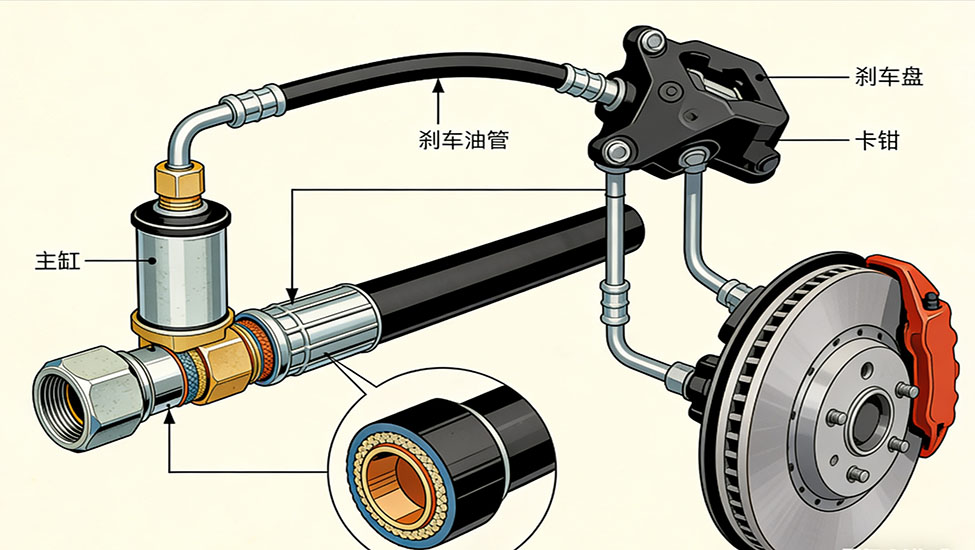
Brake hoses are one of the most important components in a hydraulic braking system. They transfer brake fluid pressure from the master cylinder to the brake caliper, ensuring the vehicle can slow down and stop safely.
However, brake hoses operate under high pressure, temperature changes, vibration, and harsh road conditions. Over time, these factors can cause brake hose damage and affect braking performance.
Understanding the common causes of brake hose failure helps vehicle owners, repair shops, and aftermarket distributors select better brake hose solutions and avoid potential safety risks.
How Does a Brake Hose Work?
A brake hose is a flexible connection between fixed brake components and moving suspension parts.
Unlike rigid brake pipes, flexible brake hoses allow movement when the wheels turn or suspension operates.
A high-quality brake hose must provide:
- High pressure resistance
- Excellent flexibility
- Temperature resistance
- Chemical resistance
- Long-term sealing performance
7 Common Causes of Brake Hose Damage
1. Natural Aging of Rubber Materials
One of the most common reasons for brake hose replacement is material aging.
Traditional rubber brake hoses may become harder and weaker after years of exposure to:
- Heat
- Moisture
- Brake fluid
- Road salt
- Environmental chemicals
As rubber ages, cracks and internal deterioration may appear, reducing the reliability of the brake system.
2. High Temperature Exposure
Brake systems generate significant heat during operation, especially in:
- Performance driving
- Mountain driving
- Heavy vehicles
- Motorcycle racing applications
Repeated high-temperature cycles can accelerate brake hose aging and reduce service life.
This is why many performance users choose PTFE-based brake hose solutions for better temperature stability.
3. Internal Brake Hose Collapse
A brake hose may look normal from the outside but have internal damage.
Internal collapse can restrict brake fluid flow and create problems such as:
- Brake drag
- Slow brake release
- Uneven braking force
- Reduced brake response
Internal hose damage is difficult to detect without inspection and is one reason regular maintenance is important.
4. Excessive Pressure and Hose Expansion
During braking, hydraulic pressure rises quickly inside the brake hose.
Older rubber hoses may expand slightly under pressure, causing:
- Soft brake pedal feeling
- Reduced pedal feedback
- Less consistent braking response
For modified vehicles, stainless steel braided brake lines are often selected because the reinforcement layer helps control expansion.
5. Incorrect Installation
Incorrect installation can shorten brake hose lifespan even when using high-quality materials.
Common installation problems include:
- Twisting the brake hose
- Incorrect bending radius
- Contact with suspension components
- Contact with exhaust heat
- Wrong fitting angle
Professional installation and correct routing are essential for reliable brake performance.
6. External Damage and Abrasion
Brake hoses are located near wheels and suspension systems, making them exposed to external damage.
Possible damage sources include:
- Road debris
- Stone impact
- Friction against vehicle parts
- Improper maintenance work
7. Poor Quality Brake Hose Materials
Brake hose quality directly affects braking reliability.
Low-quality hoses may have problems with:
- Pressure resistance
- Temperature performance
- Fitting strength
- Long-term durability
For global aftermarket markets, professional buyers usually focus on material quality, production control, and testing standards.
Common Symptoms of Brake Hose Problems
Soft Brake Pedal
A soft brake pedal may indicate pressure loss, hose expansion, air in the system, or internal hose problems.
Brake Fluid Leakage
Any brake fluid leakage around hose connections should be inspected immediately.
Brake Does Not Release Completely
If the brake remains partially engaged after releasing the pedal, a damaged brake hose may restrict fluid return.
Uneven Braking Performance
Uneven braking response can indicate hydraulic pressure problems caused by brake hose damage.
How to Prevent Brake Hose Failure?
Regular Brake Hose Inspection
A simple visual inspection can help identify early problems.
Check:
- Cracks
- Leaks
- Swelling
- Damaged fittings
- Incorrect installation position
Replace Old Brake Hoses with Suitable Materials
Choosing the correct brake hose material is important for different applications.
Brake Hose Material Options for Different Applications
Teflon Brake Line
Teflon Brake Lineis widely used in performance and modified applications because PTFE material provides excellent temperature resistance and chemical stability.
Nylon Brake Line
Nylon Brake Lineoffers lightweight characteristics and reliable durability for various vehicle systems.
PTFE Brake Line Assembly
PTFE Brake Line Assemblyprovides complete hose solutions with professional assembly, fittings, and customization options.
Nylon Brake Line Assembly
Nylon Brake Line Assemblyis suitable for applications requiring customized brake hose assemblies.
Rubber Brake Line Assembly
Rubber Brake Line Assemblyremains a common choice for original equipment and standard vehicle applications.
Why More Drivers Upgrade to Stainless Steel Braided Brake Lines
Modified vehicle owners often upgrade their brake hoses because original rubber hoses may not meet higher performance requirements.
Benefits of braided brake lines include:
- Reduced hose expansion
- More stable hydraulic pressure
- Improved brake pedal feeling
- Better durability under demanding conditions
- Professional appearance
What Overseas Buyers Consider When Purchasing Brake Hoses
- Material certification
- Pressure testing capability
- OEM customization service
- Stable production capacity
- Fast communication and technical support
- Reliable delivery time
For distributors and wholesalers, choosing a reliable brake hose manufacturer is important for maintaining long-term market reputation.
Our Main Brake Hose Products
We manufacture customized brake hose solutions for motorcycles, cars, SUVs, and modified vehicles.
- Teflon Brake Line
- Nylon Brake Line
- PTFE Brake Line Assembly
- Nylon Brake Line Assembly
- Rubber Brake Line Assembly
- Stainless Steel Braided Hose
- Braided Brake Lines
FAQ About Brake Hose Failure
How often should brake hoses be replaced?
Brake hose replacement depends on material condition, driving environment, and inspection results rather than mileage alone.
Can a damaged brake hose affect braking safety?
Yes. A damaged brake hose may reduce hydraulic pressure transmission and affect braking performance.
Are braided brake lines better than rubber brake hoses?
For modified and performance applications, braided brake lines can provide improved pressure stability and pedal feedback.
Can brake hoses be customized for different vehicles?
Yes. Professional manufacturers can customize hose length, fittings, materials, and appearance according to customer requirements.
Need Customized Brake Hose Manufacturing?
If you have drawings, samples, or special specifications, our engineering team can provide professional brake hose solutions for your market.
Contact Usfor OEM projects, customized brake lines, and wholesale cooperation.