
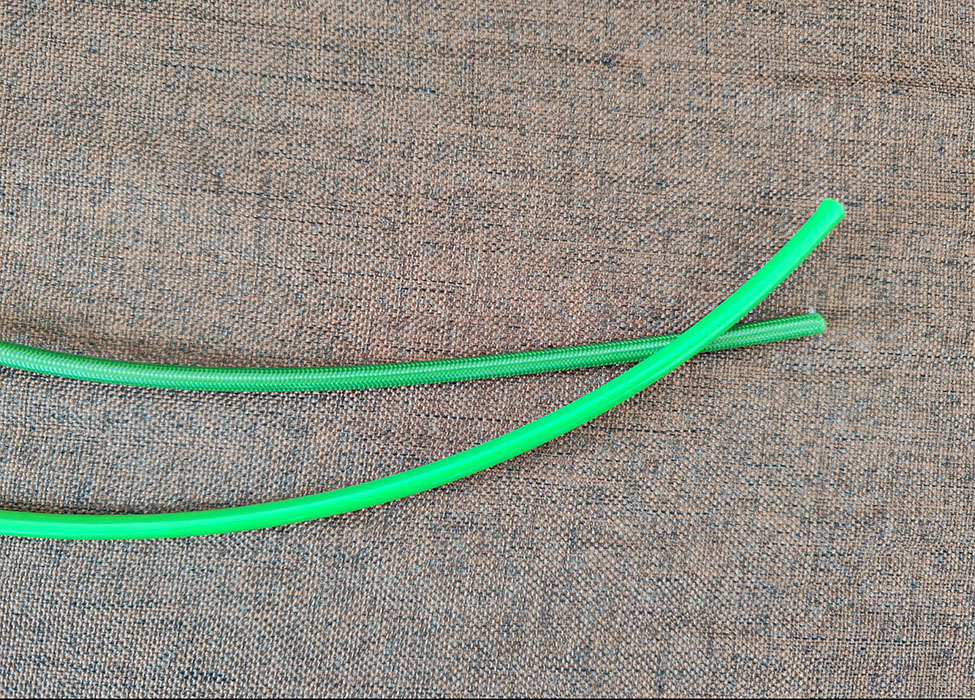
PTFE (Teflon) Braided Brake Hoses — Engineering Overview
Material system and functional rationale
PTFE inner liner: hydraulic stability
The core element of a PTFE brake hose assembly is the PTFE inner liner. PTFE exhibits very low volumetric expansion and excellent chemical inertness to DOT-class brake fluids. In hydraulic systems this translates to lower internal deformation and reduced permeability compared with elastomer liners. The low compliance of PTFE ensures that a higher fraction of master cylinder displacement is transmitted to caliper pistons, improving pedal/lever fidelity.
Stainless braid: radial restraint and mechanical protection
A stainless steel braided layer provides radial restraint to limit liner expansion under transient pressure and protects the inner tube from abrasion and impact. Correct braid metallurgy and braid angle are design variables that determine burst performance and fatigue life; procurement should request manufacturer braid specifications rather than generic claims.
Outer jacket options
Outer coverings (PVC sleeves, nylon jackets, painted braid) do not affect hydraulic performance directly but significantly impact abrasion resistance, UV stability and corrosion protection of the braid. For motorcycle brake hose kits, colored jackets are common; for fleet use prioritize coatings with documented salt-spray or UV test data.
How PTFE braided lines improve braking performance
Reduced hydraulic compliance → improved actuation fidelity
In real drive cycles, rubber hoses exhibit measurable radial expansion that absorbs hydraulic displacement. PTFE liners restrained by stainless braid show negligible radial growth, so more hydraulic energy reaches the caliper. The practical outcome is a firmer pedal/lever and more repeatable modulation during repeated braking—valuable for performance vehicles and heavy-duty applications alike.
Consistency across temperature cycles
PTFE retains dimensional stability across a broad temperature range; it resists softening and swelling that elastomers can undergo under thermal cycling. Combined with braid restraint, this yields consistent brake response from cold start to track temperatures.
Service life and total cost
While initial unit cost of PTFE stainless braided brake lines is higher than rubber assemblies, the extended service intervals and reduced failure rates can lower total cost of ownership for fleets and resellers. For buyers, lifecycle cost modelling should include mean time between replacement, warranty claim rate and service labor costs.
Specification and procurement checklist (engineer’s RFQ items)
Routing and mechanical protection
Route hoses with smooth radii, provide intermediate clamps to eliminate free-span chatter, and install anti-chafe sleeves where contact is unavoidable. Maintain service clearances from exhaust and hot components or apply heat shielding.
Torque control and bleeding
Use calibrated torque wrenches and the supplier’s torque tables for banjo bolts and unions; always replace crush washers. After installation, perform a full brake fluid replacement and staged bleed to remove entrained air — document post-install pedal/lever force and travel.
Conclusion
PTFE (Teflon) braided brake hoses provide measurable improvements in actuation fidelity, thermal stability and lifecycle cost when compared with rubber hoses. For procurement teams and brake hose manufacturers alike, the critical path to reliable performance is strict specification: correct ID matching, documented working/burst/impulse data, certified termination processes and traceable batch records. Include these braided brake hose specifications in your next RFQ to ensure high field reliability and improved braking performance for customers.
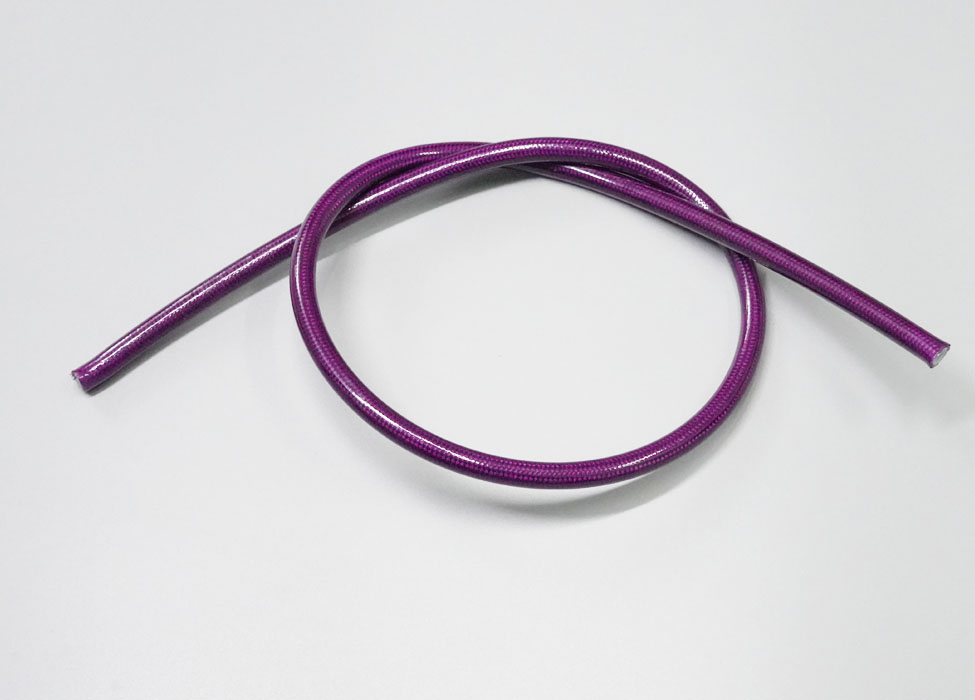
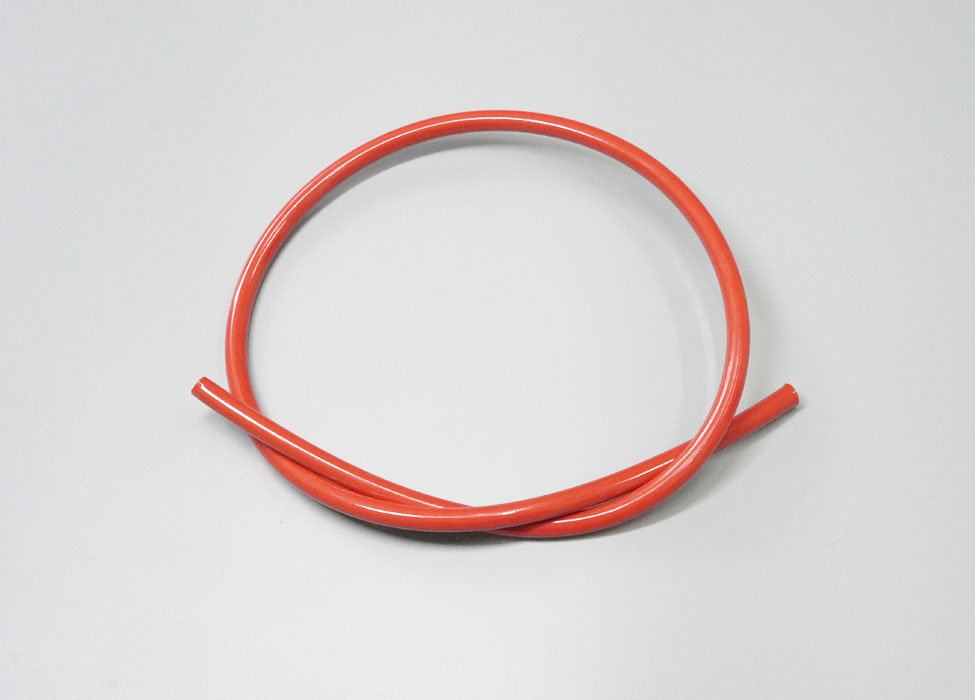
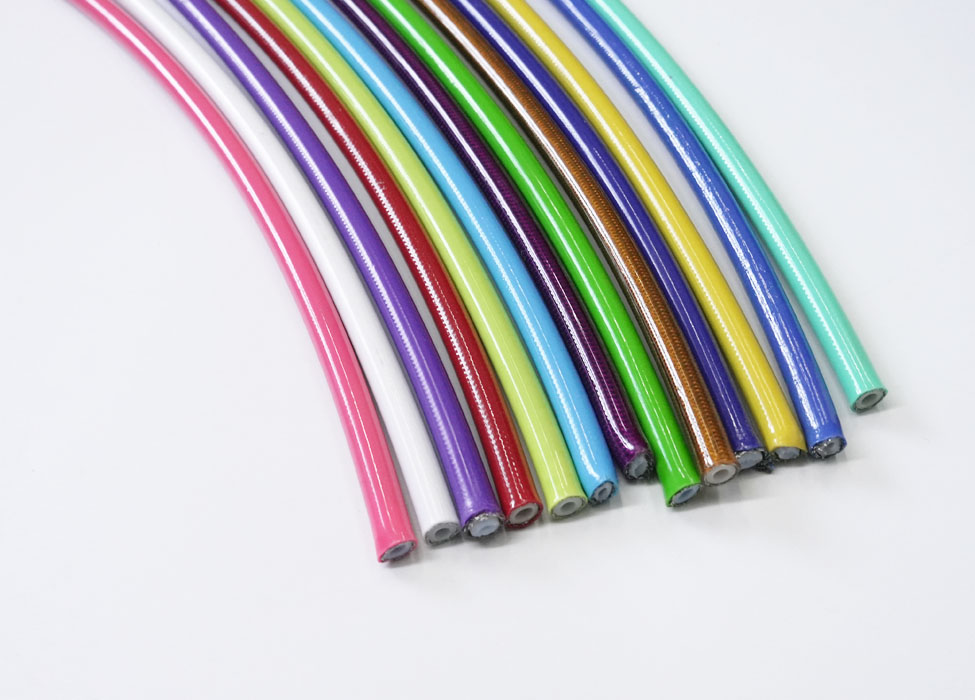
Brake Line Brake Line User Experience
After replacing the AnTu brake oil pipe, the driving safety is directly upgraded! The virtual position and hysteresis of the original rubber tube have completely disappeared, the foot feel is solid and precise, and the braking force is responsive to stepping on it. Even when running continuously on mountain roads, there is no attenuation in braking. The anti-corrosion and scratch resistant characteristics allow me to no longer worry about oil pipe aging and leakage. This upgrade is worth it, strongly recommended for car enthusiasts who pursue handling and safety!
Don't worry about using the Antu brake oil pipe!
I used to worry about the aging and leakage of the oil pipe, but after replacing the AnTu brake oil pipe, I completely feel at ease! Fast brake response, short pedal travel, no thermal degradation during continuous downhill braking, corrosion and scratch resistance, almost no maintenance required for daily use, dual improvement in safety and handling, highly recommended!
The AnTu brake oil pipe is my best modification!
As a mountain running enthusiast, changing the AnTu brake oil pipe was my best modification! The original rubber oil pipe is prone to expansion at high temperatures, and the foot feels increasingly soft after continuous braking, always afraid of not being able to stop. The new oil pipe completely solves this problem. The pedal is solid without any virtual position, the braking force transmission is zero loss, the foot feel is still stable after high-intensity braking, the joint is tightly sealed, and there has been no oil leakage for two years. This durability is too worry free, and car enthusiasts who pursue safety and handling should close their eyes!
Antu brake oil pipe is too surprising!
Antu brake oil pipe is absolutely amazing! The pedal feel is firm and precise, offering smooth braking for light inputs and powerful braking for heavy inputs. It remains stable even under high-intensity braking during track days, with exceptional durability. No need to hesitate if you're demanding on your brakes!